


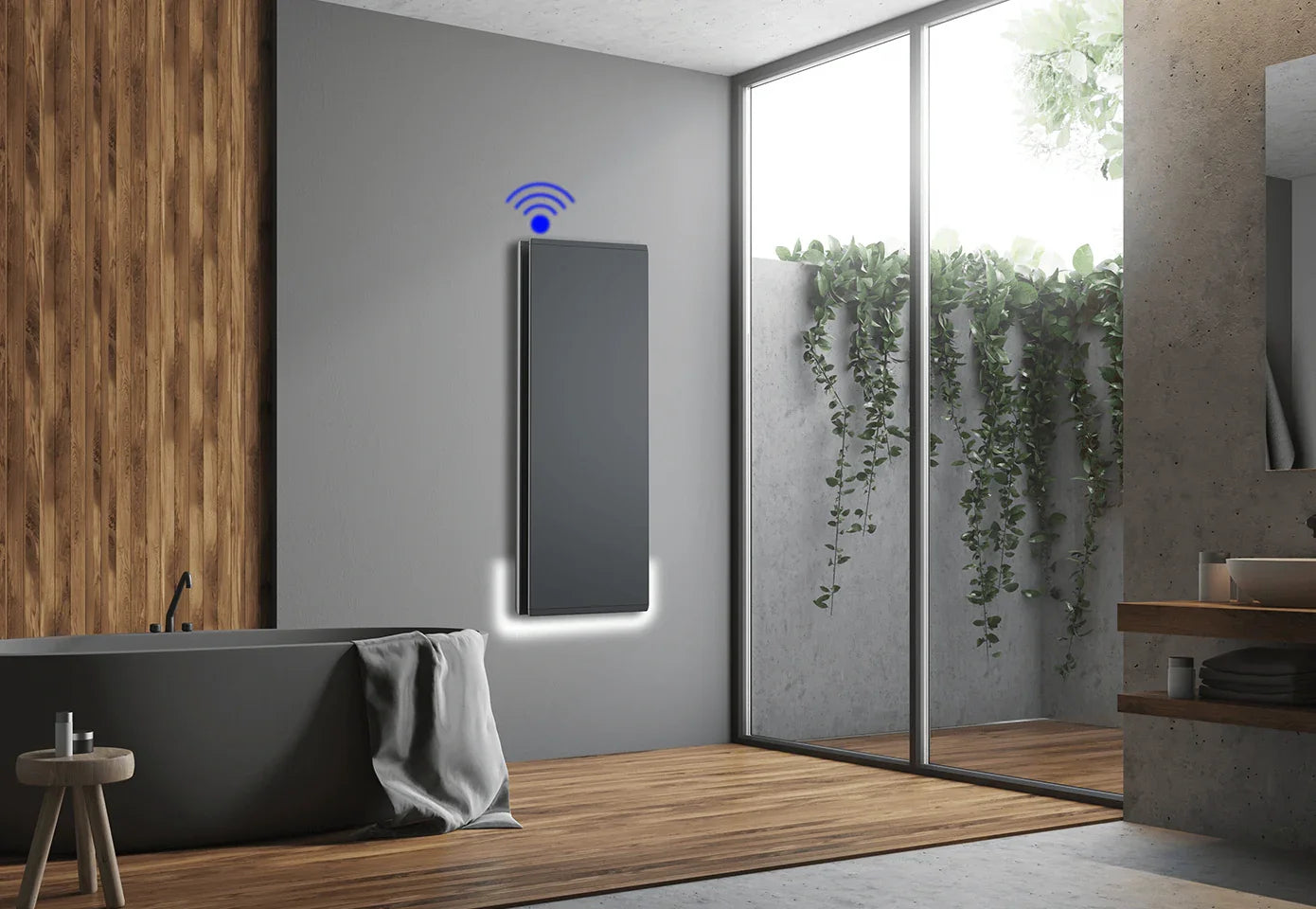
Domestic electric heating is an efficient and ecological solution for keeping homes warm during the colder months of the year. But how exactly does it work, and what are the advantages of this heating system?
How does domestic electric heating work?
Domestic electric heating uses electricity to generate heat indoors. Electric radiators or radiant panels are the most common devices used for this purpose. These devices convert electrical energy into heat, which is then diffused evenly throughout the room.
What are the advantages of domestic electric heating?
1. Energy efficiency: Electric heating is known for its high energy efficiency, as it converts almost all electrical energy into heat.
2. Ease of installation: Electric heating systems are easy to install and do not require the laying of pipes or the creation of chimneys.
3. Precise temperature control: With electric heating, you can precisely adjust the desired temperature in each room, ensuring maximum comfort.
4. Safety: Electric heating systems do not pose risks of gas leaks or fires related to fuels such as oil or natural gas.
How to optimize the efficiency of domestic electric heating?
To maximize the efficiency of domestic electric heating, it is advisable to improve the thermal insulation of the house, close doors and windows to avoid heat dispersion, and use programmable thermostats to adjust the temperature according to needs.
Domestic electric heating represents a modern and convenient solution for maintaining a comfortable and welcoming environment at home, while also ensuring a reduced environmental impact. With proper installation and maintenance, this heating system can offer long-term comfort and efficiency.





Share:
The Heat that Does You Good: Natural Convection + Infrared